Premium Course
The Subject-To Property Purchase Blueprint: How to Acquire Real Estate Using Existing Financing
A practical, beginner-friendly guide by Lawrence Bland and Greenhaven Solutions. Learn to navigate subject-to transactions with clarity, ethics, and risk-awareness.
What you'll learn
- Define what a subject-to purchase is and how it differs from other financing methods.
- Identify workable opportunities and perform initial seller discovery conversations.
- Verify financing, analyze numbers, and assess due-on-sale risks with confidence.
This course is provided for general educational purposes only. It does not provide legal, tax, accounting, insurance, lending, or investment advice. Laws vary by jurisdiction. Students should consult qualified professionals before entering a subject-to transaction.
Course Curriculum
Organized into 12 modules with practical lessons, case studies, worksheets, and quizzes. Each module is designed for video narration, written lessons, and downloadable materials.
Module 1: Introduction to Subject-To Overview
What a subject-to is, who is involved, how title and mortgage debt interact, and how this option compares with mortgage assumptions, seller financing, and wraparound mortgages. We demystify common misconceptions with a simple numerical example.
Module Description
In this module we establish the vocabulary, the ethics, and the step-by-step flow from lead to closing in a subject-to scenario. We ground everything in a clear numerical example and outline the key distinctions from other approaches.
Learning Objectives
- Define subject-to and contrast with loan assumptions, seller financing, and wraps.
- Explain why title transfers but the loan may remain in the seller’s name.
- Identify who pays what and who remains liable in a standard subject-to scenario.
- Review a simple numerical example with a hypothetical property.
Key Vocabulary
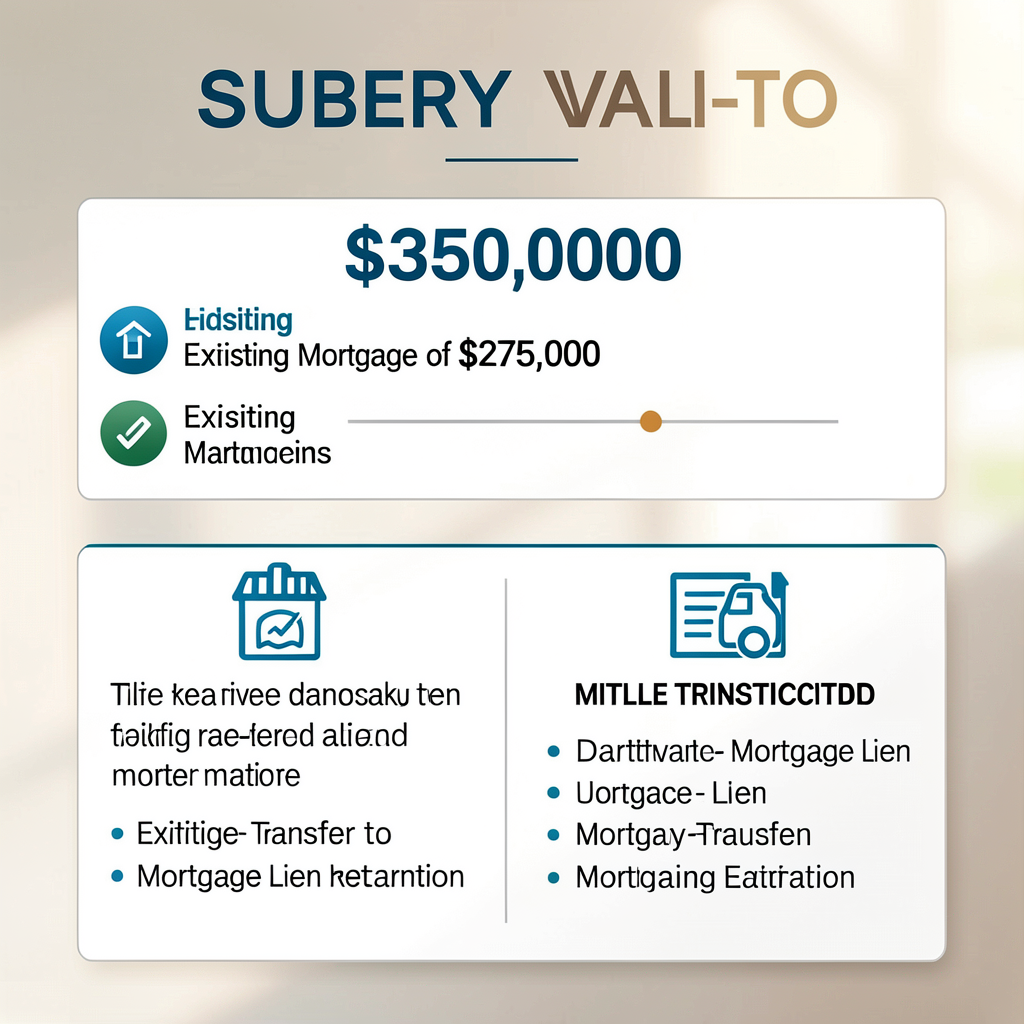
Property value $350,000. Existing mortgage $275,000 at 3.5%. Total monthly payment $1,850. Cash to seller $15,000. Buyer covers closing, repairs, reserves. Title transfers to buyer; mortgage stay in seller’s name; buyer takes over payments. Seller remains liable per consent of lender; lender may retain rights via due-on-sale clause depending on action.
Module 1 Knowledge Check
1) In a subject-to transaction, who is typically the borrower on the existing loan?
2) The buyer typically takes title to the property. True or False?
3) What primarily creates the risk that the lender may accelerate the loan?
Module 1 Summary: We clarified what subject-to means, who is involved, and how title and mortgage debt are handled. We introduced the simple numerical example to anchor understanding.
Module 2: Finding Appropriate Opportunities
Learn to spot workable opportunities and recognize when subject-to is not appropriate, including preforeclosures, low-equity properties, tired landlords, and more. Emphasize ethical lead screening.
Module Description
We cover the characteristics of a workable subject-to opportunity, how to screen motivated sellers responsibly, and how to collaborate with real estate agents and wholesalers to find solid leads.

Learning Objectives
- Identify workably motivated sellers without pressuring them.
- Recognize preforeclosures and levels of equity risk.
- Understand when subject-to is not appropriate and how to pivot to alternatives.
Key Vocabulary
A tired landlord with a vacant property, equity near 15%, and motivation to exit within 90 days. We analyze if a subject-to path fits and identify potential obstacles (tenancy issues, repairs, lender caution).
Module 2 Knowledge Check
1) Which property scenario is least suitable for a subject-to transaction?
2) True or False: Motivated sellers can be pressed into a deal to close faster.
3) What is a key ethical principle when screening leads?
Module 2 Summary: We clarified how to identify genuine opportunities and maintain ethical boundaries with sellers and professionals.
Module 3: The Seller Discovery Conversation
How to have respectful, productive conversations with sellers. Learn the right questions, warning signs, and how to determine outcomes that help both parties.
Module Description
Guided seller discovery script, a sample conversation, and a seller-needs analysis worksheet to ensure you understand their goals before proposing a solution.

Learning Objectives
- Conduct a respectful discovery conversation with a seller.
- Ask the right questions to uncover seller needs and timelines.
- Identify statements to avoid and signs of confusion requiring professional help.
Key Vocabulary
Let’s walk through a friendly discovery: “What would be the most helpful outcome for you? If we could craft a solution that respects your timeline, what does that look like?”
Module 3 Knowledge Check
1) Which question best helps you understand a seller's timeline?
2) True or False: You should pressure a seller to agree to a term sheet if they seem uncertain.
3) What is a warning sign that you should pause and involve a professional?
Module 3 Summary: Mastery of respectful, needs-driven seller conversations, with clear guidance on when to seek professional counsel.
Module 4: Verifying the Existing Financing
Learn how to obtain written authorization to communicate with the mortgage servicer, and verify principal balance, interest, escrow, taxes, insurance, and other key terms. Avoid relying on verbal estimates.
Module Description
This module provides a verifiable mortgage-verification process, including a thorough checklist and a practical approach to obtaining up-to-date loan details.

Learning Objectives
- Understand why written authorization to contact servicers is essential.
- Identify all key data points to verify (BAL, payment, escrow, taxes, insurance, MIP, etc.).
- Recognize the importance of using a mortgage-verification checklist rather than verbal estimates.
Module 4 Knowledge Check
1) Which item is NOT typically on a mortgage verification checklist?
2) True or False: A verbal balance estimate is sufficient for decision making.
3) What is the purpose of written authorizations?
Module 4 Summary: Verifying financing details prevents missteps and ensures you’re working from current, accurate information.
Module 5: Property, Title, and Due Diligence
Professional title searches, ownership verification, liens, easements, and title insurance. Learn to perform a thorough due-diligence checklist specific to subject-to deals.
Module Description
A comprehensive look at property, title, and due diligence elements, with emphasis on not assuming the seller’s title policy protects the buyer.

Learning Objectives
- Perform professional title verification and understand liens.
- Identify easements, restrictions, and rental rights that affect the deal.
- Use a complete due-diligence checklist for subject-to transactions.
Case Study
A property with a potential mechanics lien and HOA restrictions. Demonstrates how to verify title and plan for necessary repairs before offering.
Module 5 Summary: A solid foundation for ensuring the property is insurable, title-clear, and properly understood before a deal is pursued.
Module 6: Analyzing the Financial Numbers
Calculate market value, mortgage balance, cash flow, reserves, and ROI. Explore three scenarios to illustrate strong, marginal, and reject-worthy deals.
Module Description
We equip you with practical calculators and scenario-based thinking to assess risk and determine profitability in subject-to transactions.

Learning Objectives
- Compute market value, loan balances, and seller equity.
- Model monthly cash flow, cash invested, and ROI metrics.
- Assess scenarios to decide whether to proceed or walk away.
Case Study (Module 6)
Three scenarios: strong transaction, marginal transaction, and a transaction that should be rejected. Includes calculations for cash flow and exit timing.
Module 6 Summary: The numbers tell the story. Proper analysis prevents over-optimistic deals and supports educated decisions.
Module 7: Due-On-Sale Risk
Balanced and accurate explanation of the due-on-sale clause, what can trigger it, and how to plan contingencies. Clarifies trust transfers and lender responses.
Module Description
Delivers clarity on the rights and risks of due-on-sale, plus a contingency-planning worksheet to guide action if the lender moves.
Learning Objectives
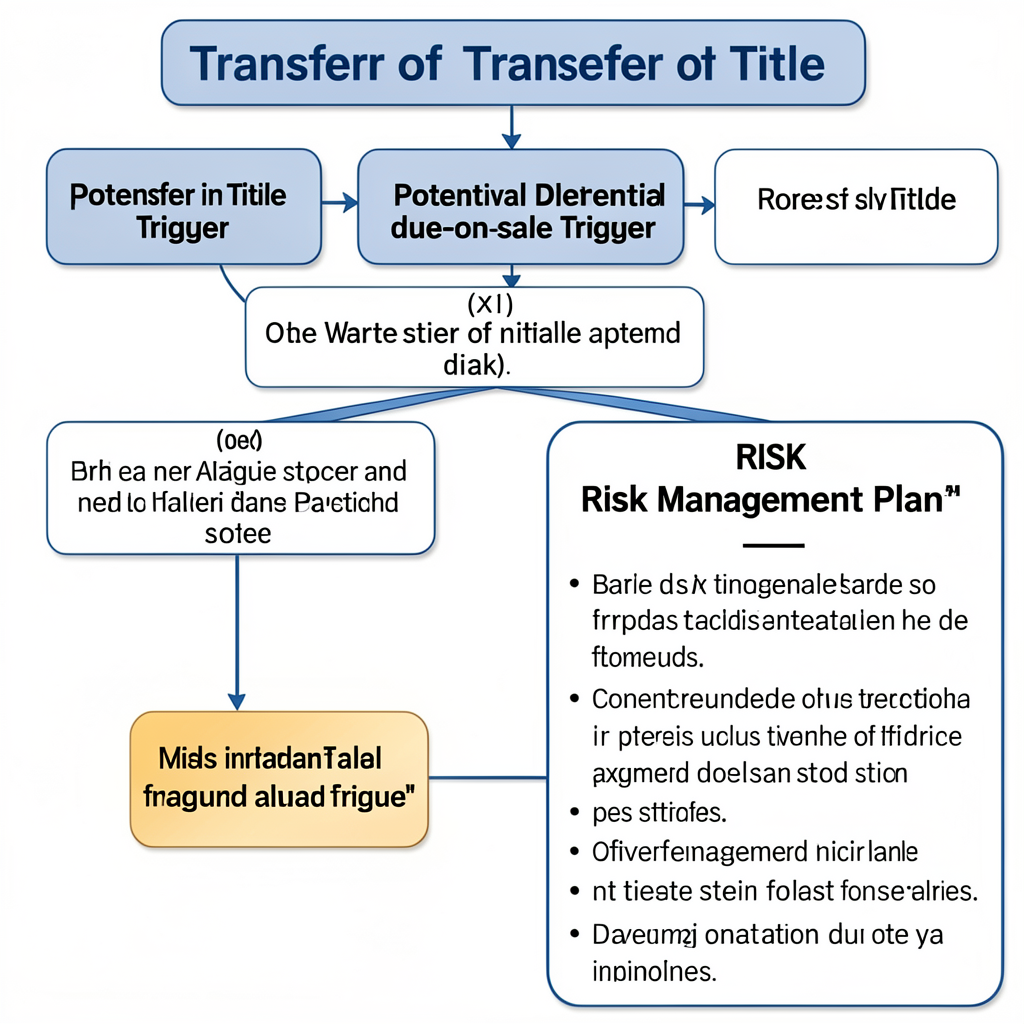
- Explain what a due-on-sale clause is and when it can be triggered.
- Distinguish between civil risk vs lender action and why a contingency plan matters.
- Understand that trusts are not a guaranteed shield against due-on-sale risk.
Case Study (Module 7)
A lender threatens the due-on-sale clause after a title transfer. We illustrate contingency steps and how to communicate with the lender and seller.
Module 7 Summary: Balanced understanding reduces fear and helps preserve options while staying compliant.
Module 8: Insurance and Risk Management
Insurance must reflect current ownership, occupancy, and use. Explore landlord policies, vacant-property coverage, and risk controls to protect both buyer and seller.
Module Description
Understand how to structure insurance, when to upgrade coverages, and what to discuss with an insurance professional to avoid gaps.

Learning Objectives
- Identify required insurance types for subject-to properties.
- Recognize the importance of accurate ownership disclosures on policies.
- Know which questions to ask a qualified insurance professional.
Case Study (Module 8)
Policy must reflect conversion from owner-occupied to rental use. We explore potential coverage gaps and how to close them responsibly.
Module 8 Summary: Proper insurance is fundamental to protecting all parties and ensuring ongoing compliance.
Module 9: Structuring and Presenting the Offer
Craft purchase price, arrears handling, possession timelines, insurance, tenant considerations, and disclosure statements. Learn to clearly communicate to the seller how the plan works.
Module Description
A practical blueprint for presenting a subject-to offer with transparency and structure, including sample terms and a seller-understanding checklist.
Learning Objectives
- Structure a clear, transparent offer with defined responsibilities.
- Communicate the seller's continued liability and the buyer's ownership position.
- Disclose the lender’s potential right to demand full payoff and remedies for missed payments.
Case Study (Module 9)
An offer with title retention for the seller, buyer ownership, and a contingency plan. We cover disclosures and a clear plan for lender notification if required.
Module 9 Summary: Clarity, honesty, and structure lead to smoother negotiations and fewer surprises.
Module 10: Documentation and Closing
Documentation like purchase agreements, subject-to addenda, disclosures, deeds, settlement statements, and power of attorney. Understand that closing with a professional experienced in subject-to is essential.
Module Description
A practical tour through close-ready documents, with emphasis on state differences, and caution against using generic documents without attorney review.

Learning Objectives
- Understand the purpose of key documents and closings.
- Know why closing with an attorney or title professional is critical.
- Use pre-closing and closing-day checklists to stay organized.
Case Study (Module 10)
Illustrates a typical subject-to closing with required disclosures, deed transfer, and servicing setup for ongoing payments.
Module 10 Summary: Proper documentation reduces risk and ensures a compliant closing process.
Module 11: Payment Servicing & Property Management
Third-party servicing, automated payments, and record-keeping. Learn to manage payments, escrow, taxes, insurance, and compliance with landlord-tenant laws.
Module Description
A practical guide to professional servicing, verification, and ongoing property management to protect both buyer and seller.
Learning Objectives
- Set up automatic payments and track servicing records.
- Maintain reserves, review escrow statements, and manage taxes/insurance.
- Understand landlord-tenant compliance and property upkeep.
Case Study (Module 11)
A subject-to property requiring regular payment verifications and tenant management, including deposits and leases.
Module 11 Summary: Strong servicing and management practices preserve property value and relationships.
Module 12: Exit Strategies and Final Action Plan
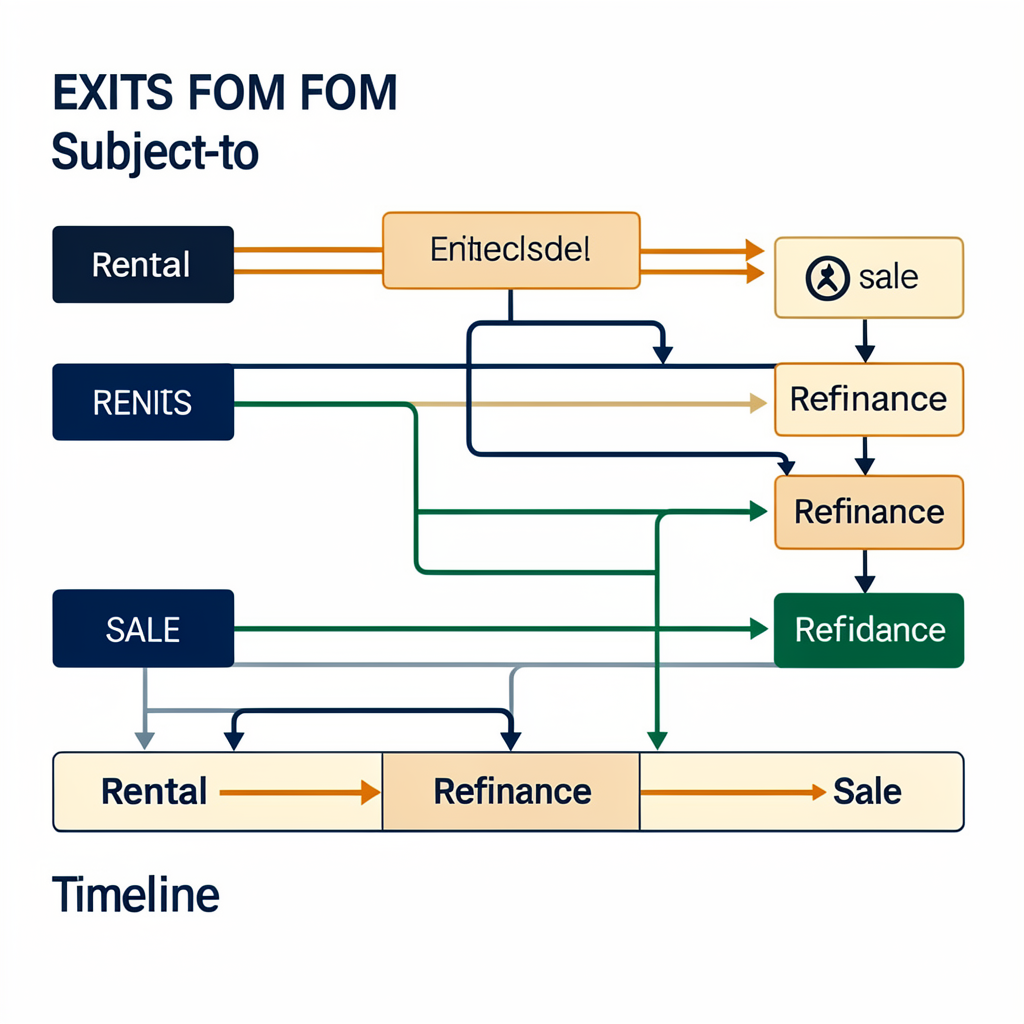
Discuss possible exits: long-term rental, renovation/resale, refinancing, DSCR refinance, or sale to owner-occupant. Develop a primary and backup plan with emergency reserves.
Module Description
A practical roadmap for finalizing a deal and mapping exit strategies, timelines, and contingencies to maximize outcomes and minimize risk.
Learning Objectives
- Create a primary exit plan and at least one backup exit.
- Understand that refinancing is never guaranteed.
- Develop an action plan from lead to payoff with a 30-day plan.
Capstone Project (Module 12)
A realistic capstone case study with property data, financing details, and required outputs. You’ll identify missing information, plan due diligence, calculate cash flow, risks, and structure an offer.
Module 12 Summary: This module ties together all skills into a clear, executable action plan.
DOWNLOADABLE COURSE MATERIALS
A curated set of printable worksheets, checklists, and planning resources to support your study and field work.
Enrollment Options
Join a premium, production-grade course designed for beginners and experienced investors alike. Access all modules, templates, and capstone support.
- Lifetime access to all modules, updates, and materials
- Downloadable worksheets and templates
- Capstone project with model answer and rubric
Course Preview
Hear from Lawrence Bland about the course approach, the Greenhaven brand, and how the material is structured for practical learning.
30-Day Implementation Plan
A step-by-step plan to apply the course concepts in the real world. Each day includes actions, templates, and questions to ask.
- Week 1: Build foundational knowledge, read and summarize modules 1–3.
- Week 2: Practice lead screening, seller discovery, and financing verification.
- Week 3: Analyze a capstone dataset and draft an offer example.
- Week 4: Present your plan to a mentor or professional and refine your approach.
Congratulations
You’ve completed The Subject-To Property Purchase Blueprint course. You now have a comprehensive framework, practical tools, and a plan to apply your knowledge with confidence and integrity.